Water and Environment
Water and Environment
How water utilities plan for drought, how major projects earn environmental approval, and how contaminated land returns to use.
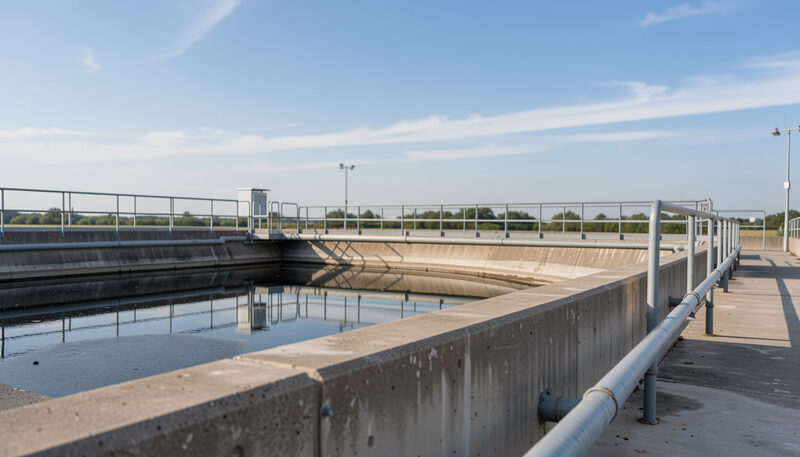
Water and environmental work is where Australian engineering meets its hardest constraints: a continent of variable rainfall, a federal approvals system that splits responsibility between two levels of government, and a stock of industrial land that has to be made safe before it can be used again. This section covers the three problems that define the field: how utilities plan for drought, how major projects earn environmental approval, and how contaminated land returns to use.
Planning for a climate that does not average out
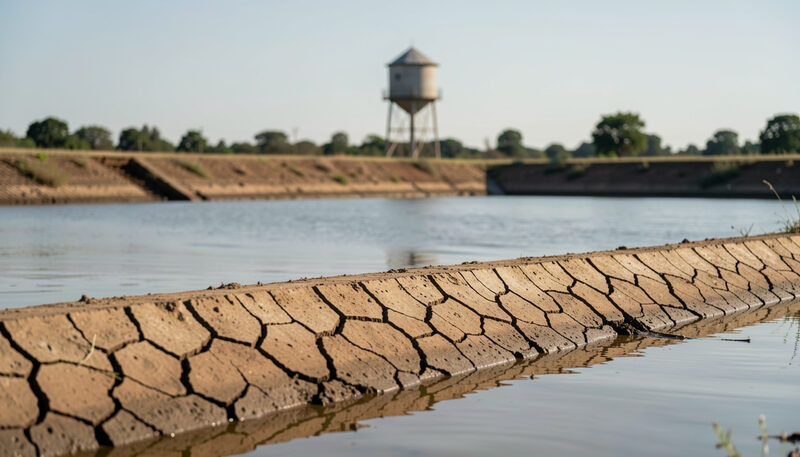
Australian water supply is built around variability, not averages. The Millennium Drought ran for more than a decade in the southern states and rewrote the planning rules: every major utility now models supply and demand across thousands of climate sequences rather than a single forecast. The guide to how utilities plan for drought explains yield modelling, restriction triggers, recycled water and the desalination plants built as insurance during that decade.
Approvals that run on two clocks
A major project in Australia typically needs approval under both federal and state law. The federal pathway runs through the EPBC Act when matters of national environmental significance are involved; state pathways run through planning and environmental impact legislation that differs in every jurisdiction. The two processes overlap but do not merge, and the sequencing between them is one of the main sources of project delay.
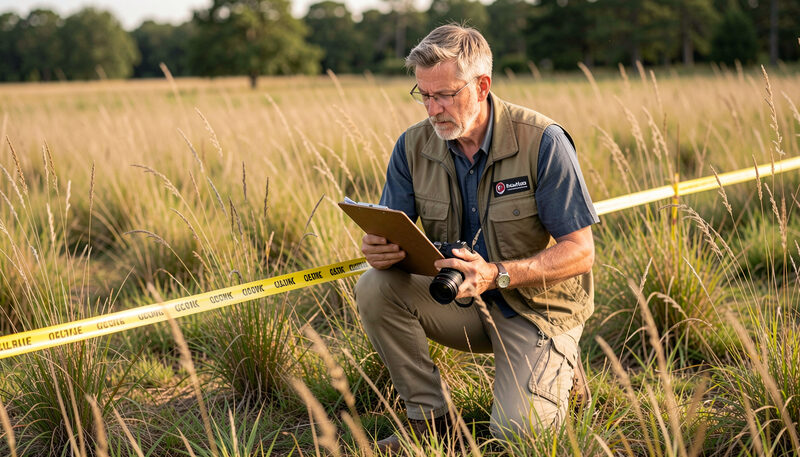
The walkthrough of environmental approvals for major projects sets out the referral, assessment and conditioning stages and the timelines a reader should expect. It also explains what an approval actually is: a set of enforceable conditions, not a general permission.
Land that carries its history
Former gasworks, rail yards, fuel depots and factories leave soil and groundwater that can carry contaminants for decades. Australia manages this legacy through site investigation, remediation and independent environmental audit, with each state running its own framework for declaring land fit for a new use.
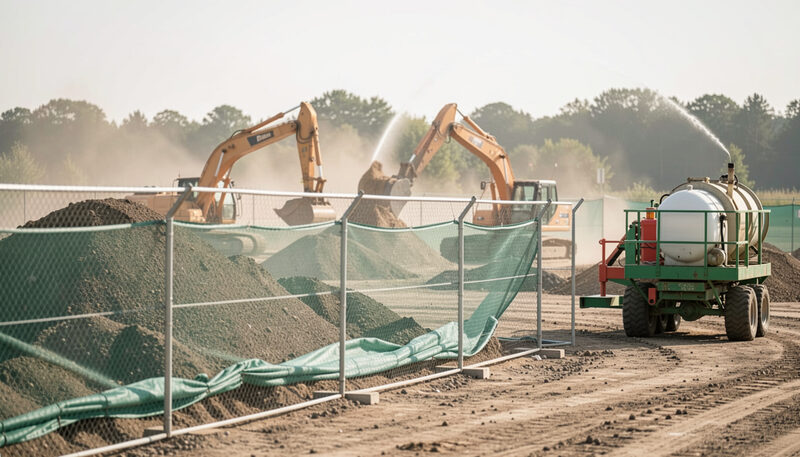
The guide to contaminated land remediation follows a typical site from first testing to the audit that allows homes or parks to be built. It explains why remediation is often the critical path on urban renewal projects, and why the cheapest option on paper is rarely the one that gets built.
Why the three problems belong together
Drought planning, environmental approval and land remediation look like separate fields and behave like one system. A new water source needs the same approvals pathway as a new road. A growth precinct cannot be planned until the contamination under it is resolved. And every one of these decisions is made by specialists whose modelling, surveying and assessment methods were built inside the same consulting industry.
The section treats them as three doors into a single question: how does a dry, urbanising, federally governed country decide what it may build and where?
Where this section connects
Environmental approval is one stage in the larger project pipeline described in Transport and Roads, and the specialists who run these assessments sit inside the firms described in The Consulting Profession. The urban land that remediation releases feeds directly into the precinct planning covered in Cities and Communities.
Each guide cites the public registers and documents where the underlying facts can be checked: the federal EPBC referral database, state auditor lists, utility water security plans and the planning scheme amendments that record what was decided.
Water and Environment
How Utilities Plan for Drought
Inside Australian drought planning: yield modelling, demand management, recycled water, desalination and the trigger points that matter.
Yield models, restriction triggers and the desalination hedge.
Water and Environment
Environmental Approvals Explained
How the EPBC Act and state pathways assess major projects: referrals, impact statements, conditions and the timelines to expect.
Referral, assessment, conditions: how the two-level system works.
Water and Environment
Cleaning Contaminated Land
How former gasworks and industrial land is tested, remediated and audited in Australia before homes and parks are built on it.
Investigation, remediation and the audit that makes it legal.