Transport and Roads
Transport and Roads
How Australian road and rail projects move from a business case to an opening day, and what landmark projects taught the industry.
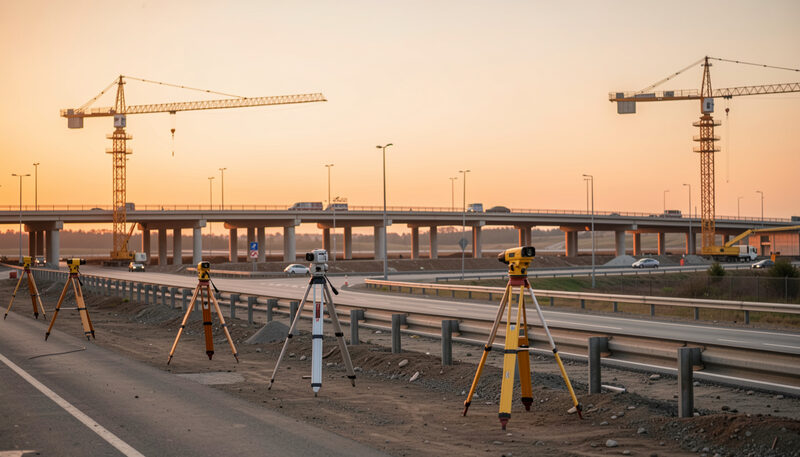
Transport spending is the largest single line in most Australian state budgets, and the road and rail projects it funds take between five and fifteen years to move from an announcement to an opening day. This section explains how that pipeline actually works: what happens inside a project before construction, why some crossings are removed and others are not, and what the landmark projects of the last three decades taught the industry that pays to deliver them.
How to read a project announcement
Political announcements and engineering reality run on different clocks. When a minister announces a road or rail project, the figure quoted is usually a planning estimate with wide uncertainty bands, not a contract price. The announcement starts a process: business case, environmental assessment, procurement, then construction. Each stage has its own public documents, and reading them in order is the fastest way to understand what has actually been decided.
The guide to how a road project gets built follows that sequence stage by stage, from the strategic case to the defects liability period. It is the reference page for the whole section, and the one to read first if a project near you has just been announced.
Where the money goes
Most transport budgets divide into three streams. Network upgrades add capacity: new lanes, new rail lines, new crossings. Renewal spending keeps the existing network safe: resurfacing, bridge strengthening, signalling replacement. Operations funding runs the services the infrastructure supports. Public debate concentrates on the first stream because it produces announcements and ribbon cuttings, but asset management consumes a steady share of every budget and fails quietly when it is squeezed.
Within upgrades, the split between road and rail shifts with each election cycle, but the underlying appraisal method is shared: the same modelling tools, the same benefit-cost framework, the same federal review through Infrastructure Australia for projects seeking national funding.
The programs that changed the method
Some programs matter beyond their project list. The level crossing removal programs in Melbourne and Perth industrialised a type of work that used to be one-off, and forced the industry to solve the same engineering problem dozens of times under live traffic and live rail. The guide to level crossing removals explains why rail trenches, rail bridges and road underpasses each suit different sites, and what changes for the suburbs around them.
Longer horizons tell a similar story. Alliance contracting, developed on Australian water and road projects in the 1990s, spread because conventional contracts kept failing on jobs too complex to price. The review of projects that taught the industry traces how delivery models, risk sharing and the consulting profession itself changed across a series of landmark jobs.
The freight and passenger split
Two transport systems share the same corridors and answer to different masters. Passenger projects are judged on travel time, reliability and the development they unlock; freight projects are judged on supply chain cost and the capacity of ports, intermodal terminals and the roads and rail lines that connect them. The same piece of infrastructure often carries both, which is why corridor debates in the growth areas are really arguments about which purpose should set the design.
The pricing debate sits on top of both. Fuel excise once functioned as a rough road user charge, but its yield is eroding as the vehicle fleet electrifies, and every state treasury knows the replacement question is coming. Road user charging trials, congestion pricing proposals and heavy vehicle charging reform are the live edges of a discussion that will shape how the next generation of projects is funded.
What this section does not cover
This journal does not rank projects, predict election outcomes or carry project marketing. It explains the system that produces the projects. Readers looking for the documents behind a specific scheme will find the entry points in each guide: business cases on state infrastructure sites, referrals on the federal environment register, contracts on procurement portals.
The water and environmental side of the same projects sits in the Water and Environment section, and the firms that staff the work are covered in The Consulting Profession.
Transport and Roads
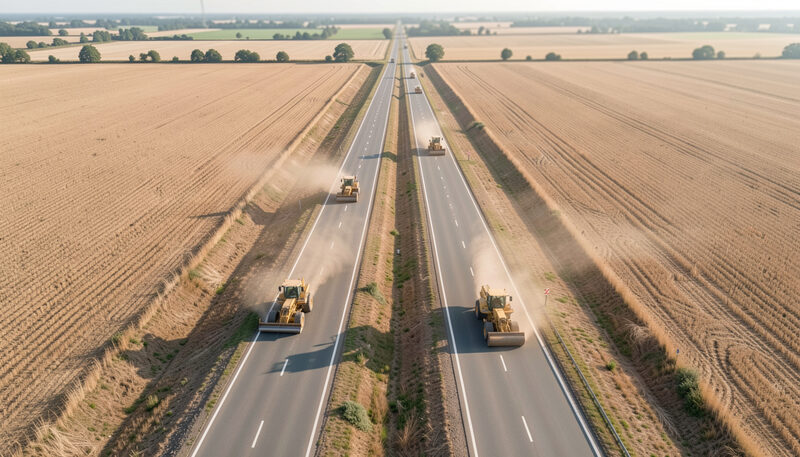
How a Road Project Gets Built
Follow an Australian road project from strategic case and business case through procurement, construction and opening, stage by stage.
From the strategic case to the defects period, stage by stage.
Transport and Roads
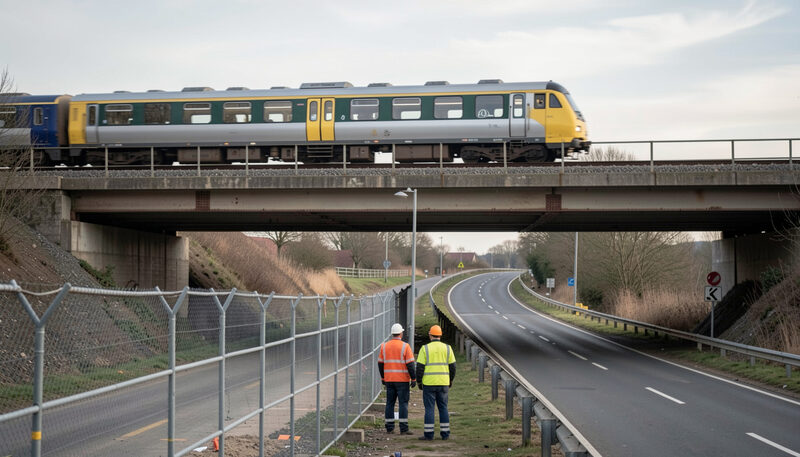
Level Crossing Removals Explained
Why states remove level crossings, how rail trenches, rail bridges and road underpasses are chosen, and what changes for suburbs.
Trench, bridge or underpass: the trade-offs behind the choice.
Transport and Roads
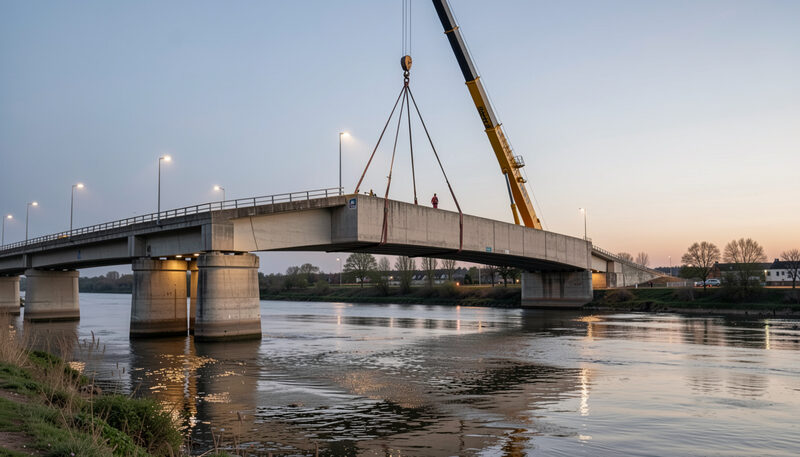
Projects That Taught the Industry
What landmark Australian transport and water projects changed about delivery models, risk sharing and the consulting firms behind them.
Tunnels, alliances and megaprojects: the lessons that stuck.